
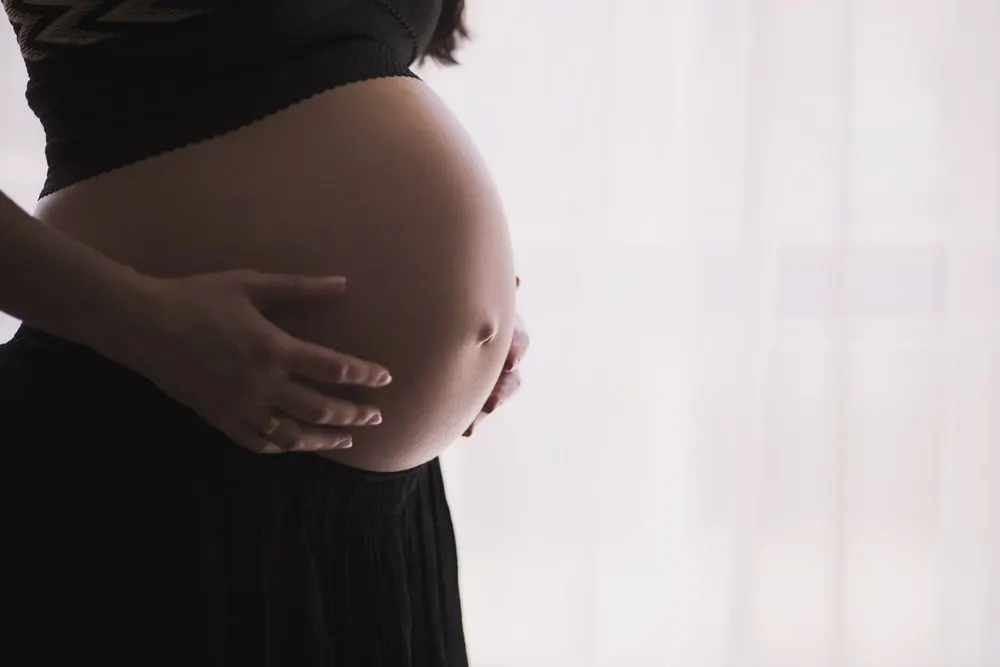
Based on what is known at this time, pregnant women are at an increased risk for severe illness from COVID-19 compared to non-pregnant women. Additionally, pregnant women with COVID-19 might have an increased risk of adverse pregnancy outcomes, such as preterm birth etc. Pregnant women with COVID-19 were also more likely to give birth prematurely. The findings also show that 1 in 4 of all babies born to women with COVID-19, were admitted to a neonatal unit but data on causes of preterm births or indications for admission to neonatal units among these babies is lacking.
Older people, and those with underlying medical problems like cardiovascular disease, diabetes, chronic respiratory disease, cancer patients etc are the other category of people who are coming under serious illness along with pregnant women.
The best way to prevent and slow down transmission is be well informed about the COVID-19 virus, the disease it causes and how it spreads. Protect yourself and others from infection by washing your hands or using an alcohol based rub frequently and not touching your face.
As this is a very new virus, all the information and evidence is still not available to us. There is no evidence to suggest an increased risk of miscarriage if exposed to COVID-19. There is also no evidence of vertical transmission, which refers to the ability of the virus to pass to your unborn baby during pregnancy.
In a study of 9 pregnant women in china, who tested positive for COVID-19 all Nine babies tested negative for the virus & were healthy overall. One pregnant lady in London tested positive for corona virus & later her newborn also tested positive. However it is unclear whether the baby contracted the viral infection in utero or shortly after birth. Expert opinion is that the baby is unlikely to be exposed during pregnancy, & it is unlikely for the to have any defects in development as a result. As of now there is no any evidence that says otherwise. There is no evidence to suggest an increased risk of miscarriage if exposed to COVID-19. There is also no evidence of vertical transmission, which refers to the ability of the virus to pass to your unborn baby during pregnancy.
FIRST TRIMESTER
There is only limited data about the clinical features of COVID-19 during pregnancy, especially in first trimester. COVID-19 infection in a 35 years-old patient in first trimester of pregnancy and its consequent medical care. At 7 weeks of pregnancy, the patient, who did not have any pregestational co morbidities, complained of intense nausea and general weakness, An important liver cytolysis was discovered with biological perturbations of transamition levels.
No respiratory symptoms were recorded. Classical viral aetiologies and drug-related toxicity were discarded. Because of the aggravation of the symptoms and the occurrence of the breathlessness, the patient was tested for the COVID-19 in a nasopharyngeal swab.
The RT-PCR assay indicated the presence of SARS-CoV-2 RNA. In the absence of severe symptoms, the patient was monitored at home according to the French government guidelines. After a few days, the symptoms resolved without any complications. The pregnancy is still ongoing without any visible problems so far.
SECOND TRIMESTER
No data exist regarding the effect on fetuses of maternal severe acute respiratory syndrome coronavirus 2 (SARS-CoV-2) infection during the first or second trimester of pregnancy. However, reports of newborns with fetal distress or requiring admission to the intensive care unit1,2 and a stillbirth after maternal coronavirus disease 2019 (COVID-19)3 in the third trimester suggest the possibility of COVID-19–induced placental pathology.
A 28-year-old obese, primigravida woman presented at 19 weeks’ gestation with fever (102.5 °F [39.2 °C]), myalgia, fatigue, mild pain with swallowing, diarrhea, and dry cough for 2 days. A nasopharyngeal swab was positive for SARS-CoV-2. She was given oral acetaminophen and discharged home.Two days later, she presented with severe uterine contractions, fever, and no improvement of her symptoms.
Physical examination did not reveal any signs of pneumonia. Vaginal examination demonstrated bulging membranes through a 5-cm dilated cervix. Active fetal movements; fetal tachycardia (180/min); and normal fetal morphology, growth, and amniotic fluid were detected on ultrasound. Medicines & regional anesthesia were started. The patient wore a mask throughout her labor, as did 2 health care professionals who both tested negative for SARS-CoV-2. Amniotic fluid and vaginal swabs sampled during labor tested negative for SARS-CoV-2 and bacterial infection (Table).
A stillborn infant was delivered vaginally after 10 hours of labor. Swabs from the axillae, mouth, meconium, and fetal blood obtained within minutes of birth tested negative for SARS-CoV-2 and bacterial infection. Fetal autopsy showed no malformations, and fetal lung, liver, and thymus biopsies were negative for SARS-CoV-2.
THIRD TRIMESTER
Data’s are limited regarding infections that occur during the third trimester. However, reports of newborns with fetal distress or requiring admission to the intensive care unit and a stillbirth after maternal corona virus disease 2019. (COVID-19) in the third trimester suggest the possibility of COVID-19–induced placental pathology.
COVID‐19 in third trimester may not be as scary as we think, it can be innocent: Evaluating vertical transmission from a COVID‐19 positive asymptomatic pregnant woman with early membrane rupture.CDC is supporting multiple efforts to understand the impact of COVID-19 on pregnant women and infants. Data collected as part of these efforts can help direct public health action and inform clinical guidance for the care of affected pregnant women and their infants.